Everything You Need to Know About Top Rated Sliding Door Technicians
Revealing Perks: Why Sliding Door Services Are Vital for Your Homes Style and Functionality
Sliding doors represent a notable feature in today's homes, blending style with utility. Their elegant design enhances architectural aesthetics while welcoming natural light into living spaces. Additionally, the energy efficiency and security aspects of these doors demand careful consideration. Understanding the various benefits and maintenance needs of sliding doors is essential. What makes these doors an essential choice for homeowners looking to elevate both function and design?
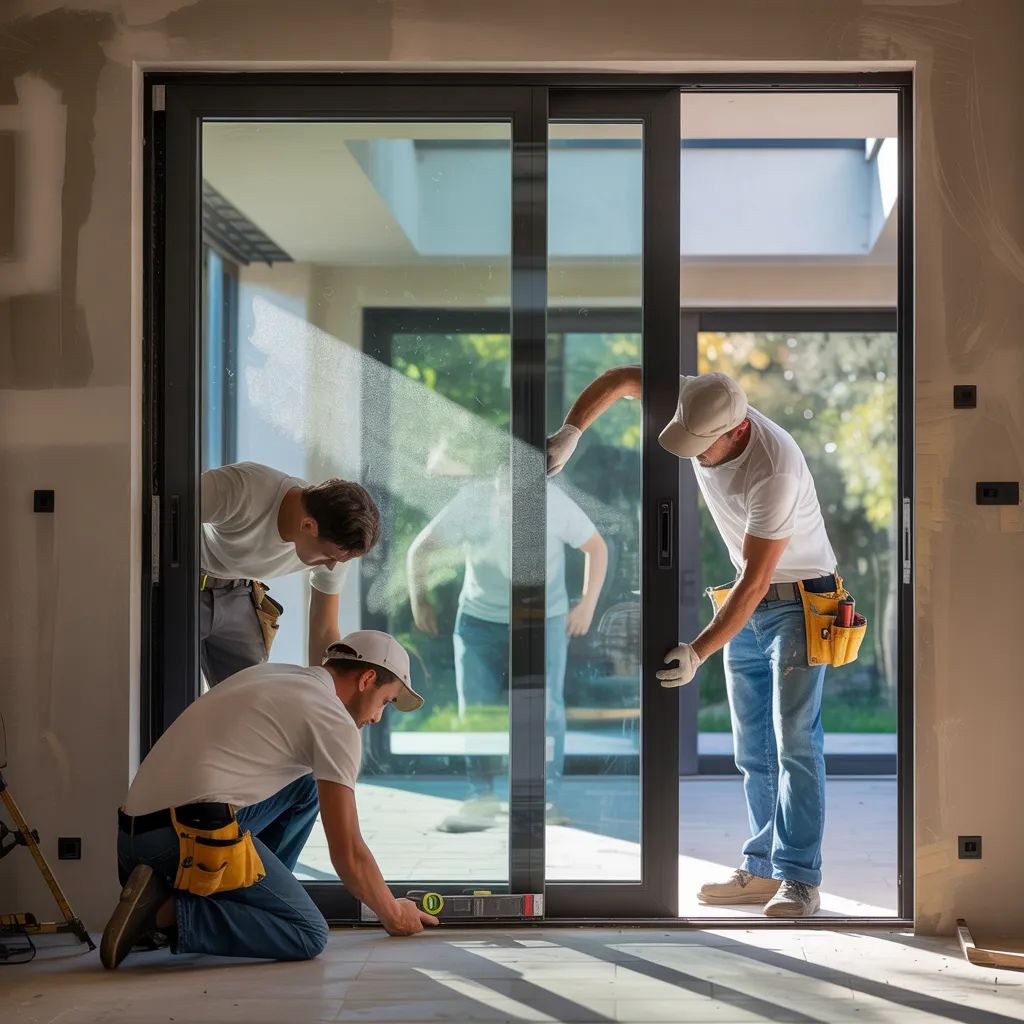
The Aesthetic Appeal of Sliding Doors
Sliding doors have a unique aesthetic appeal that complements both modern and conventional spaces. Their sleek design and simple profile enable them to blend seamlessly into different architectural styles, delivering an elegant solution to room shifts. Often constructed from glass and framed in metal or wood, sliding doors create a sense of sophistication while optimizing visual openness.
In today's settings, they can function as impressive focal points, adding a touch of elegance and sophistication. Conversely, classic styles often showcase craftsmanship through complex framing and detailing, accentuating traditional interior spaces.
In addition, sliding doors are adaptable in their finishes, giving homeowners to opt for colors and materials that complement their decor. With alternatives extending from frosted glass to decorative panels, they can improve privacy without undermining design. Ultimately, sliding doors present a seamless combination of functionality and beauty, serving as a perfect choice for elevating the overall aesthetic of any home.
Benefits of Natural Light of Sliding Doors
One key advantage of sliding doors is their ability to maximize natural light in a home. Their wide glass panels create a seamless connection between indoor and outdoor spaces, permitting sunlight to flood living areas. This abundance of natural light elevates the overall ambiance, making rooms feel more open and inviting.
Additionally, the strategic location of sliding doors can eliminate dark corners and decrease the necessity for artificial lighting during the day, promoting a healthier and more vibrant environment. By connecting indoor spaces to gardens, patios, or balconies, sliding doors not only brighten the space but also present picturesque views, further enriching the home's aesthetic appeal.
Furthermore, improved natural light has been tied to enhanced mood and productivity, making spaces more inviting for residents. On the whole, the incorporation of sliding doors can substantially improve the quality of light within a home, enriching both visual appeal and functionality.
How Sliding Doors Help Lower Your Energy Bills
Although many property owners pursue cosmetic advantages in sliding doors, their energy conservation capabilities are equally noteworthy. Sliding doors are typically constructed with modern insulation characteristics that aid in sustaining indoor climate. This reduces reliance on heating and cooling systems, leading to lower energy bills. The extensive glazing panels generally incorporated in sliding doors can likewise utilize passive solar gain, permitting sunlight to warm residential spaces throughout cooler periods.
Moreover, modern sliding doors are available with energy-efficient glazing options, such as Low-E coatings, which minimize heat transfer while maximizing natural light. These characteristics not only boost comfort but also contribute to a more sustainable home environment. By effectively sealing gaps and reducing drafts, sliding doors further avoid energy loss, ensuring that homes remain warm without excessive energy consumption. Overall, investing in energy-efficient sliding doors can result in considerable long-term savings for homeowners.
Sliding Door Security: Essential Information
While energy efficiency in sliding doors matters, security is another vital factor homeowners need to consider. Sliding doors, while aesthetically pleasing and functional, can pose security vulnerabilities if not properly equipped. Homeowners should prioritize locks that are robust and high-quality, such as multi-point locking systems that engage at several points along the door frame.
Moreover, installing security films on glass panels can stop break-ins by strengthening the glass against cracking. It is also prudent to evaluate sliding door sensors and alarms as part of an all-encompassing security system.
Proper maintenance is necessary; tracks should be kept clear of debris to ensure doors close properly, as gaps can compromise security. Picking sliding doors constructed from durable materials, such as strengthened fiberglass or aluminum frames, can also increase safety. By utilizing these measures, homeowners can take advantage of the advantages of sliding doors while ensuring their home remains secure.
Smooth Interior-Exterior Connectivity
Creating a seamless shift between indoor and outdoor spaces elevates the overall movement and functionality of a home. Sliding doors serve as a excellent solution for achieving this connection, permitting natural light to flood interiors while delivering clear views of outdoor areas. This design approach cultivates a harmonious connection between environments, encouraging an inviting atmosphere for gatherings or quiet relaxation.
What's more, sliding doors can facilitate easy access to patios, gardens, and balconies, creating outdoor living spaces more pleasant. By removing barriers, they encourage homeowners to engage with their surroundings, thereby increasing usable square footage. The versatility of sliding doors works with various layouts, confirming that both contemporary and traditional homes enjoy their functionality. Furthermore, the potential to incorporate elements such as screens or shades can enhance comfort and usability, forming a truly integrated living experience that embodies modern lifestyle preferences.
Choosing Sliding Door Designs and Materials
When selecting sliding doors, homeowners can select from a variety of popular styles that elevate both function and visual appeal. Material choices play an important role in energy efficiency, durability, and maintenance. Understanding these factors can help guide individuals in making informed decisions that fit their particular needs and preferences.
Well-Known Sliding Door Styles
Sliding doors provide a adaptable approach to improve both visual appeal and practical use in a home. Multiple popular designs cater to diverse design choices and practical needs. Traditional sliding doors, typically framed in wood, create a classic charm suitable for rustic or traditional homes. Contemporary glass sliding doors provide a modern, contemporary look, enhancing natural light and offering expansive views. Bi-fold sliding doors, which fold open to create a seamless passage between indoor and outdoor spaces, are increasingly popular for patios and balconies. Pocket sliding doors save space by receding into the wall, perfect for limited professional tips areas. Each option offers unique advantages, allowing homeowners to select options that best match their interior design and lifestyle requirements.
Materials Selection Summary
Choosing the right materials for sliding doors is just as crucial as choosing the design, as it directly impacts durability, maintenance, and aesthetics. Common materials include vinyl, wood, fiberglass, and aluminum, each offering distinct benefits. Wood delivers a classic look and outstanding insulation but requires regular maintenance to avoid warping. Vinyl is easy to maintain and energy-efficient, making it a pragmatic choice for countless homeowners. Aluminum is lightweight and strong, perfect for current designs, but may miss the warmth of wood. Fiberglass blends resilience with versatility, preventing warping and fading while imitating the appearance of wood. Ultimately, the selection of material should align with the homeowner's design choices, functional requirements, and environmental concerns, ensuring a perfect fit for their living space.
Care Guidelines for Durable Sliding Doors
Keeping sliding doors is crucial for their lifespan and ideal performance. A routine cleaning schedule, paired with proper lubrication, can guarantee smooth operation and stop wear. Additionally, inspecting the tracks for any damage can help spot prospective issues before they escalate.
Daily Cleaning Routine
A consistent cleaning routine is essential for preserving the working condition and visual appeal of sliding doors. Routine maintenance stops dirt buildup in frame channels and tracks, maintaining smooth operation. Homeowners should initiate by cleaning the door surfaces with a soft cloth to remove loose debris. Then, a mixture of diluted soap solution can be used to clean the glass, while a vacuum attachment is efficient for extracting track debris. It is also essential to review seals and frames for any signs of damage during the cleaning process. By keeping a routine cleaning schedule, homeowners can lengthen the lifespan of their sliding doors and enhance their aesthetic appeal, adding to the overall look and usability of their homes.
Lubricant Application for Reliable Working
Routine lubrication is crucial for securing the smooth operation of sliding doors. Over time, grime and particles can gather, creating friction that impedes movement. To maintain peak performance, it is suggested to use a silicone-based lubricant, which efficiently reduces friction without attracting dust. Spreading lubricant to the rollers and tracks encourages seamless gliding. It is important to adhere to the manufacturer's guidelines regarding how often to apply lubrication, typically every six months, to prevent wear and tear. A clean cloth can be used to remove excess lubricant, making certain that it does not impede the door's operation. By prioritizing regular lubrication, homeowners can substantially extend the lifespan of their sliding doors, elevating both functionality and aesthetics.
Check Rail Tracks for Signs of Damage
Periodic inspections of the sliding door tracks are crucial for spotting potential damage that could impede functionality. Consistent monitoring help homeowners detect issues such as misalignment, debris accumulation, or wear and tear. A damaged track can cause difficulty in opening or closing the door, causing safety risks and compromising energy efficiency. Assessing the tracks involves checking for dents, rust, or any obstructions that may obstruct movement. If any damage is identified, it is advisable to consult a professional for repairs or replacements. Preserving the integrity of the tracks not only provides smooth operation but also extends the lifespan of the sliding doors, safeguarding the overall aesthetic and functionality of the home.
Questions & Answers
Can Sliding Doors Be Custom-Made to Suit Distinctive Home Designs?
Yes, sliding doors can be customized to fit unique home designs. Homeowners commonly investigate diverse materials, colors, sizes, and hardware selections, ensuring the doors complement their aesthetic preferences while enhancing functionality and space utilization.
What Are the Most Popular Materials for Sliding Doors?
The most popular materials for sliding doors include aluminum, wood, vinyl, and fiberglass. Each material provides specific visual and practical advantages, serving multiple design preferences and weather requirements in residential settings.
How Do Sliding Doors Stack Up Against Traditional Doors Regarding Space?
Sliding doors usually demand less area than standard doors, as they move parallel alongside a wall rather than opening outward. This feature allows for more efficient use of floor area, enhancing accessibility and design flexibility.
Can Sliding Doors Handle All Types of Climates and Weather Conditions?
Sliding doors are appropriate for different climate conditions, but their success hinges on insulation, materials, and installation. In extreme weather, effective sealing and strong materials are vital to ensure operational efficiency and energy savings.
How Long Can You Expect a Sliding Door to Last?
The average lifespan of a sliding door typically ranges from between 10 and 30 years, based on usage, materials, and maintenance. Regular upkeep can considerably extend its longevity and functionality over time, ensuring lasting performance.